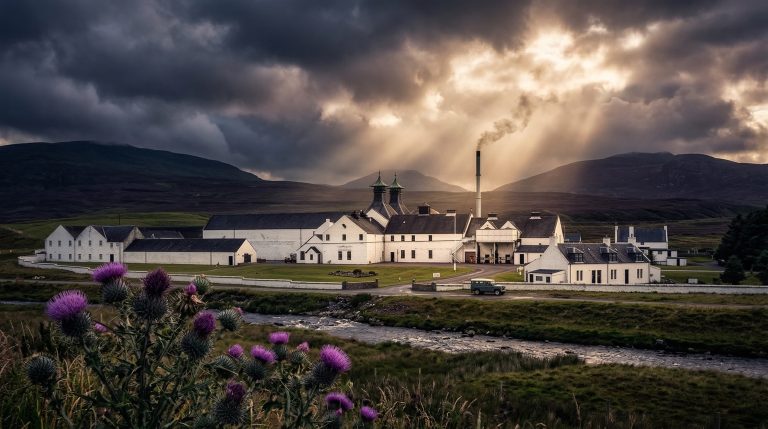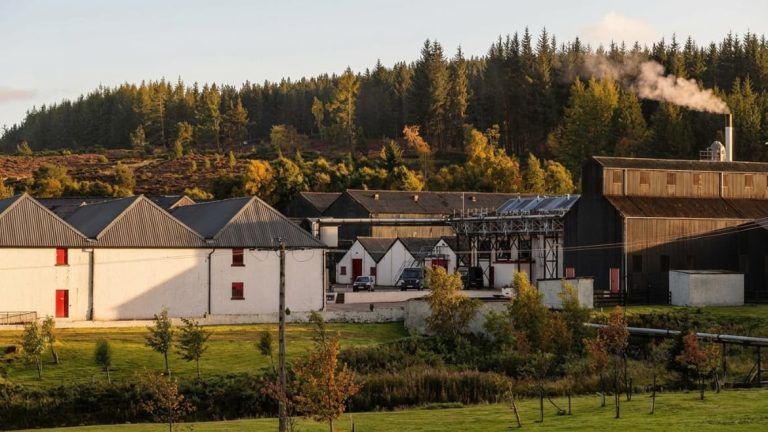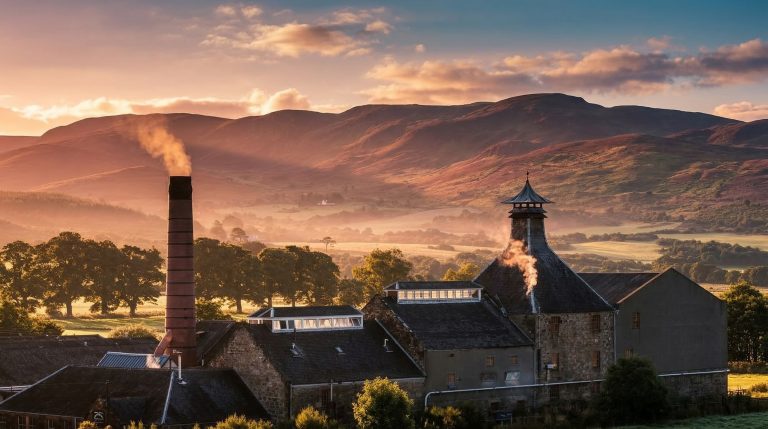
For many American travellers, a trip to Scotland is a pilgrimage to the home of “the water of life.”
While the US has a rich bourbon and rye heritage, the misty glens and peat-smoked air of the Scottish Highlands offer an entirely different sensory experience. Navigating the world of Scotch whisky, however, involves more than just showing up at a distillery door.
From understanding the strict local driving laws to mastering the nuances of distillery etiquette, a little preparation goes a long way.
This guide provides essential insights for US visitors planning to explore the legendary distilleries of the Highlands and Speyside, ensuring your journey is as smooth as a well-aged single malt.
1. Logistics and the Golden Rule: Do Not Drive
The most significant difference US visitors encounter in Scotland is the approach to drink-driving.
In Scotland, the legal blood alcohol limit is significantly lower than in the United States—roughly 0.05% compared to the US standard of 0.08%. In practical terms, this means that even a single “dram” (a standard pour) can put you over the legal limit.
Scottish authorities enforce these laws with zero tolerance. If you are planning a day of tastings, there are three main ways to handle the logistics:
- Appoint a Designated Driver: Most distilleries offer “driver kits” or small glass vials so the driver can take their samples away to enjoy at the hotel later.
- Use Public Transport: While some distilleries are accessible by train (such as Dalwhinnie or those in Elgin), many of the most atmospheric sites are tucked away in remote glens where buses are infrequent.
- Book a Private Tour: This is the preferred option for those wanting a stress-free experience. Choosing a private whisky tour from Inverness allows your entire group to participate in tastings while a professional local guide handles the narrow, winding Highland roads.
2. Booking in Advance: The New Standard
The days of simply “dropping by” a distillery for a tour are largely over, especially for the world-renowned names in Speyside and the Highlands. Since 2024, the surge in whisky tourism has meant that most premium tours and warehouse tastings book up weeks, or even months, in advance.
If you have your heart set on a specific experience—such as the “Malt to Cask” tour at The Singleton of Glen Ord or a private warehouse tasting at Tomatin—online booking is essential. Most distilleries offer several tiers of experiences:
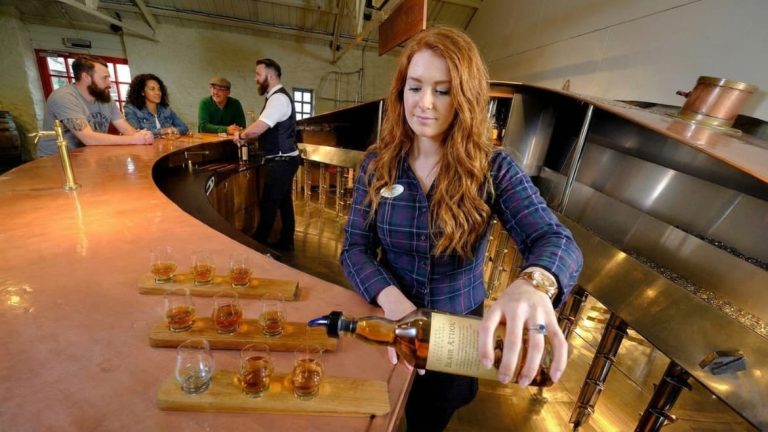
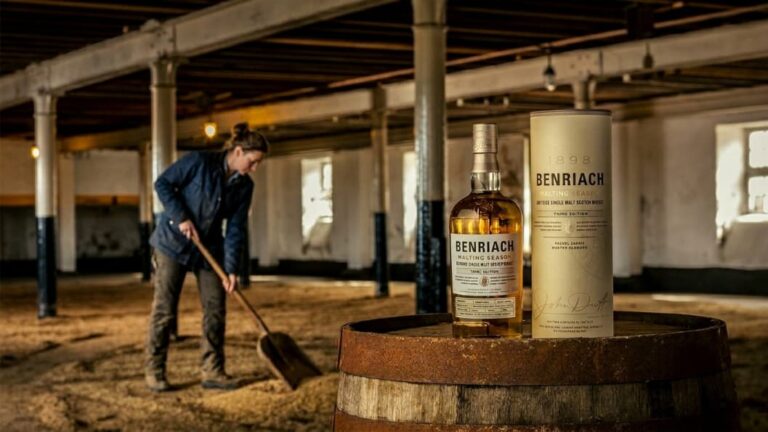
- The Standard Tour: A walk-through of the production process (mash tun, washbacks, stills) followed by one or two drams.
- The Enhanced Tasting: Often skips the production tour to focus purely on rare expressions or older vintages.
- The Specialist Experience: May include bottle-your-own opportunities or technical deep-dives with a distillery manager.
3. Local Etiquette: Drinking Like a Highlander
American whiskey culture often embraces cocktails and “on the rocks” serves. In Scotland, particularly at a distillery, the etiquette is slightly different.
The “Scotch” vs. “Whisky” Distinction
In Scotland, it is simply called “whisky.” You will rarely hear a local refer to it as “Scotch.” Furthermore, note the spelling: in Scotland, it is whisky (no ‘e’), whereas American and Irish varieties are typically spelled whiskey.
Water and Ice
When you are handed a dram during a tasting, it is customary to try it “neat” first to appreciate the natural profile. Your guide will likely provide a small jug of room-temperature water.
Adding a few drops of water can “open up” the whisky, breaking the surface tension and releasing hidden aromas. Adding ice, however, is often discouraged during formal tastings as the cold temperature mutes the complex flavours.
The “Round” System
If you find yourself in an Inverness pub after your tour, be aware of the “round” system. If a local buys you a drink, the unspoken rule is that you are expected to buy the next round for the group. It is a cornerstone of Scottish social life and a quick way to make friends in the Highlands.
4. Packing for the Highland Climate
Distilleries are industrial environments. Even if you are visiting in the height of summer, the traditional stone warehouses where the barrels age can be damp and chilly.
Conversely, the still house—where the large copper pot stills operate—can be incredibly hot and humid.
- Footwear: Wear sturdy, closed-toe shoes. Many tours involve walking on metal grates or uneven stone floors where sandals or heels are impractical and often prohibited for safety reasons.
- Layering: The “four seasons in one day” cliché is a reality in the Highlands. A waterproof jacket is a must, even if the sun is shining when you leave your accommodation.
- Midge Protection: If you are visiting rural distilleries between May and September, be prepared for “midges”—tiny biting flies. They are harmless but annoying; a bit of local repellent goes a long way.
5. Experience-Based Insight: Beyond the Famous Labels
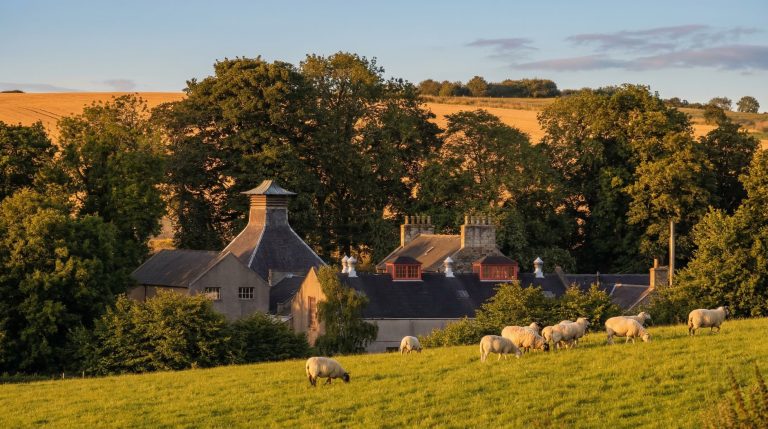
While many US visitors flock to the household names, some of the best experiences are found at the smaller, “architectural” or historic distilleries. As local guides, we often suggest including a mix of styles in a day trip from Inverness.
For example, Uile-bheist Distillery in the heart of Inverness offers a modern, sustainable look at production, while Glenmorangie to the north boasts the tallest stills in Scotland, producing a light, floral spirit.
A local’s tip for avoiding crowds: try to schedule your most popular distillery visit for the first slot of the morning (usually 10:00 am). The mid-afternoon slots tend to be the busiest.
Additionally, don’t overlook the “silent” distilleries or independent bottlers found in local shops—sometimes the best whisky isn’t the one with the biggest marketing budget.
Frequently Asked Questions
What is the legal drinking age in Scotland?
The legal age to purchase or consume alcohol in Scotland is 18. Many distilleries allow children on the production tour (often for a reduced fee), but they are strictly prohibited from participating in the tastings.
Can I ship whisky back to the United States?
Shipping alcohol directly from a distillery to the US can be complicated due to varying state laws and high shipping costs. Most travellers find it easier to pack bottles in their checked luggage using protective “jet bags.” Be sure to check your current US Customs allowance (usually 1 litre duty-free).
Is there a dress code for distillery tours?
There is no formal dress code, but “smart casual” is the norm. The most important factor is practical footwear for walking through industrial areas and warehouses.
How much should I tip my tour guide?
In the UK, tipping is appreciated but not mandatory. If you have a private guide for the day who provides exceptional service, a tip of 10-15% is a kind gesture. At the distillery itself, tipping the group tour guide is less common but always welcomed.
Do I need to bring my passport to the distillery?
While you likely won’t be asked for ID if you are clearly over 18, it is good practice to have a photo of your passport on your phone or carry a driver’s license if you look under 25, as Scotland operates a “Challenge 25” policy.
Discover the Highlands with a Local Expert
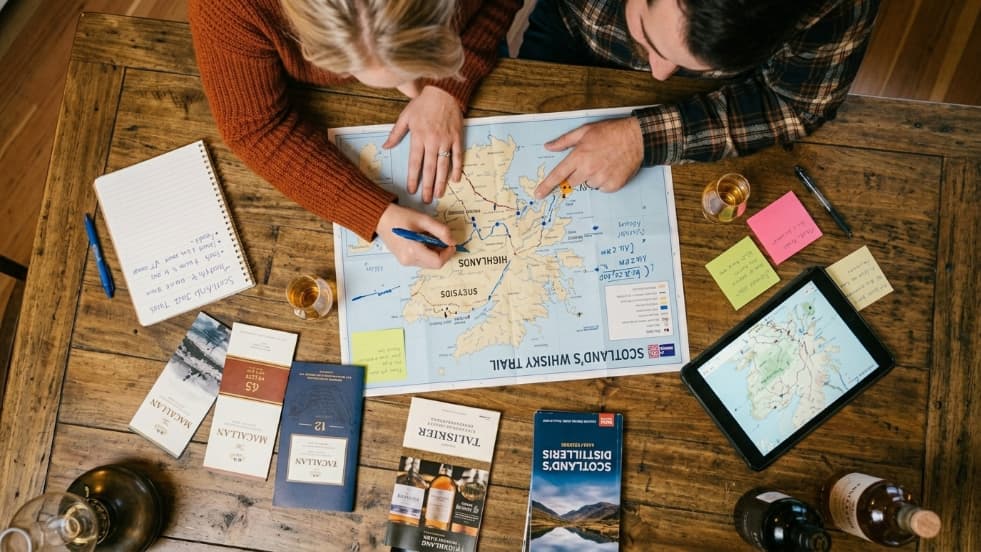
Planning the perfect whisky itinerary requires more than just a map; it requires local knowledge of travel times, distillery characters, and the best hidden scenic spots for a lunch break.
At Highlander Whisky Tours, we specialise in bespoke, private experiences tailored to your palate. Whether you are a seasoned collector or a curious beginner, we handle the driving and the logistics so you can focus on the spirit of the Highlands.
Contact us today to plan your private tour from Inverness and discover the authentic side of Scottish whisky.