For many travellers landing in Inverness, the initial instinct is to head west toward the famous lochs or north toward the rugged peaks. However, for the true whisky enthusiast, the road east into the rolling hills of the Forgue valley leads to one of the most significant sites in Scottish distilling history: The GlenDronach Distillery.
As a private tour provider based in Inverness, we often see guests overlooking this corner of the Highlands in favour of the more central Speyside hubs.
This is a missed opportunity. The GlenDronach represents the pinnacle of sherry cask maturation, offering a profile that is distinct, rich, and deeply tied to the traditional methods of the 19th century.
If you are planning a trip to Scotland with a focus on authentic, high-quality spirit, understanding why this distillery remains a cult favourite is essential for your itinerary.
The Heritage of the Forgue Valley
Established in 1826 by James Allardice, The GlenDronach was one of the first licensed distilleries in Scotland. Its history is woven into the social fabric of the Highlands.
Allardice was a colourful character who famously marketed his whisky in Edinburgh by sharing it with the local community, ensuring its reputation spread quickly through word of mouth.
The distillery has weathered many changes in the industry, including periods of closure and changes in ownership, yet it has remained remarkably steadfast in its production philosophy.
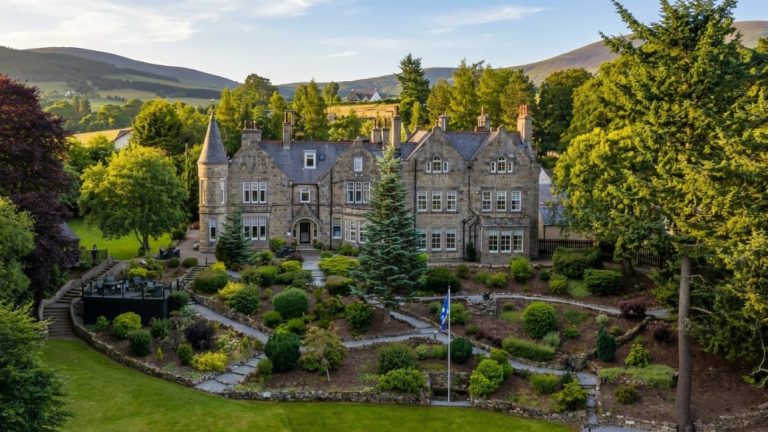
For the modern visitor, the site feels like a step back in time. The traditional stone architecture and the presence of the Boynsmill House—the founder’s former residence—lend an air of permanence and authority to the estate.
The Mastery of Sherry Cask Maturation
What sets The GlenDronach apart from its Highland neighbours is its unwavering commitment to sherry maturation. While many distilleries use ex-bourbon barrels for the majority of their stock, this distillery is famous for its intensive use of fine Pedro Ximénez and Oloroso sherry casks from Spain.
This isn’t just a marketing angle; it is a technical discipline. Pedro Ximénez casks provide a deep, syrupy sweetness with notes of raisins and molasses, while Oloroso casks contribute dry, nutty, and spicy characteristics.
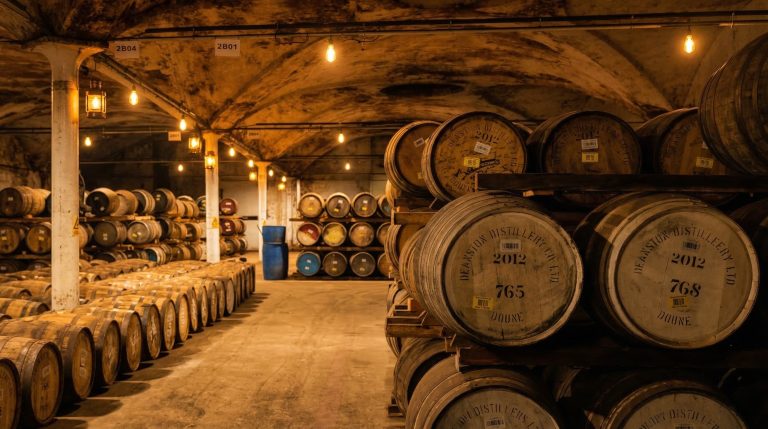
The marriage of these two styles creates the signature Highland spirit: heavy, robust, and incredibly complex. For those booking a private tour from Inverness, seeing the dunnage warehouses where these casks breathe the cool Highland air provides a tangible connection to the liquid in the glass.
Architectural Significance and the Production Process
Visiting the distillery offers more than just a tasting; it is an education in traditional engineering. Until 2005, The GlenDronach was one of the last distilleries to use direct coal firing for its stills.
While the process has modernised for efficiency and environmental standards, the shape of the stills remains unchanged, ensuring the heavy, waxy character of the spirit is preserved.
The washbacks—the large vessels where fermentation occurs—are made of traditional larch. This choice of material, combined with long fermentation times, allows for the development of fruity esters that survive the distillation process.
When you walk through the production area, the scent of malt and yeast is a reminder that whisky is, at its heart, an agricultural product of its environment.
You can watch the Whisky.com review of Glendronach distillery below.
Local Insights: A Guide’s Perspective on Visiting
When we escort guests on a private whisky tour to The GlenDronach, we often advise on a few local nuances that make the day more enjoyable.
First, timing is everything. Because the distillery is located about an hour and twenty minutes from Inverness, it is best paired with a visit to the nearby Huntly Castle or a scenic drive through the Strathbogie area. The roads leading to the Forgue valley are winding and picturesque, offering views of farmland that many tourists miss when sticking to the main A9 or A96 corridors.
Second, consider the weather. The Highlands are notoriously unpredictable. The walk between the visitor centre and the warehouses can be brisk, so even in summer, a waterproof layer is recommended.
For those looking to avoid crowds, we generally suggest mid-week visits. The GlenDronach has a loyal following, and its limited-edition releases often draw collectors from across the globe, making the tasting rooms quite busy on weekends.
Finally, pay attention to the water source. The distillery draws its water from the Balmashanner Burn. In the world of whisky, the mineral content of the water is a debated topic, but seeing the burn flow through the grounds gives you a sense of the natural resources required to produce a world-class dram.
Incorporating The GlenDronach into your Inverness Base
Inverness serves as the perfect gateway for this journey. Starting your day in the capital of the Highlands allows you to traverse the diverse landscapes of Moray and Aberdeenshire before returning to the comfort of your city accommodation.
At Highlander Whisky Tours, we specialise in creating bespoke itineraries that take the stress out of navigation and logistics. Driving between distilleries requires a dedicated driver, and our private tours ensure that everyone in your party can participate in the tastings safely.
Our guides provide the context that you won’t find on a standard bottle label—stories of the workers, the local folklore of the Forgue valley, and the technical details of the vintage releases.
Frequently Asked Questions
What is the best way to get to The GlenDronach from Inverness?
The most efficient and safest way is by car, ideally via a private guided tour. There is no direct rail link to the distillery, and public transport options are limited and time-consuming. A private hire allows you to enjoy the scenery and the whisky without worrying about the drive back.
How long does a typical distillery tour last?
Most standard tours at The GlenDronach last around 60 to 90 minutes. However, if you are an enthusiast looking for a deeper dive into the warehouse or a specialised tasting, we recommend allowing at least two to three hours on-site.
Is The GlenDronach part of the Speyside or Highland region?
Technically, it is classified as a Highland distillery. While it sits close to the border of the Speyside region, its character is more aligned with the robust, full-bodied Highland style.
Do I need to book in advance?
Yes, booking in advance is highly recommended, especially during the peak tourist season from May to September. Many of their specialized tastings sell out weeks in advance.
Can children visit the distillery?
Children are generally allowed on the distillery grounds and some tours, but they are strictly prohibited from participating in tastings. The atmosphere is educational, but the focus is primarily on adult enthusiasts.
What is the signature expression I should try?
The 12-year-old Original is the perfect introduction to their house style. For those looking for something deeper, the 18-year-old Allardice or the 21-year-old Parliament offer exceptional examples of long-term sherry maturation.
Planning Your Highland Adventure
The GlenDronach is more than just a stop on a map; it is a sanctuary for traditional whisky making. Whether you are a seasoned collector or a curious newcomer, the experience of standing in a traditional dunnage warehouse, surrounded by decades of maturing spirit, is unforgettable.
If you are ready to explore the hidden depths of the Highlands, let us help you craft the perfect day. Our expertise in local routes and distillery relationships ensures you get the most out of your time in Scotland.
Visit our GlenDronach Distillery Tour page to view our range of private tours from Inverness or to request a bespoke itinerary tailored to your specific tastes.