For the true enthusiast, whisky is more than a drink; it is a map of Scotland’s geography and a timeline of its history. Inverness, the capital of the Highlands, sits at the ultimate crossroads of this liquid heritage. From the city centre, you are perfectly positioned to strike north toward the rugged, maritime malts of Sutherland or east into the fertile, “golden” glens of Speyside.
In 2026, the landscape of Scotch whisky is more dynamic than ever. We are seeing the “reawakening” of ghost distilleries, a surge in sustainable “grain-to-glass” production, and a move toward ultra-exclusive, private warehouse experiences. If you are planning a trip to Scotland this year, this guide will help you navigate the 2026 whisky scene with the insight of a local expert.
1. The 2026 “Reawakening”: Brora and the Ghost Distilleries
The biggest story in Highland whisky for 2026 is the full return of the “Ghost Distilleries.” For decades, names like Brora were whispered by collectors as mythical spirits from a bygone era.
- Brora Distillery: Having officially re-ignited its stills, Brora now offers some of the most exclusive experiences in Scotland. The “Brora Awakened” tour is a masterclass in restoration, where you can taste rare stocks from the 1970s alongside the new spirit destined to become the legends of the 2040s.
- The Dalmore: Just north of Inverness, The Dalmore has unveiled its brand-new visitor experience for 2026. Known for its “royal” heritage and deep sherry-cask finishes, the updated distillery offers a high-tech journey through its historic still house, which houses some of the oldest stills in the Highlands.
- Clynelish: Often called Brora’s sister, Clynelish remains the “waxy” heart of the Northern Highlands. In 2026, it serves as a “Four Corners” distillery for Johnnie Walker, offering a multi-sensory “Flavour Journey” that is a perfect introduction for those who want to understand how single malts build world-famous blends.
Local Insight: When heading north to Brora, the A9 offers stunning coastal views. We always suggest a stop at the “Millionaire’s Viewpoint” over the Dornoch Firth. It’s the perfect spot to breathe in the sea air that influences the saline, maritime character of these northern malts.
2. The Singleton & The New Era of Sustainable Distilling
As we move into 2026, the industry has shifted heavily toward sustainability and transparency. Travellers now want to know where the barley grew and how the energy was sourced.
- The Singleton of Glen Ord: Located in Muir of Ord (a short 20-minute drive from Inverness), this distillery is a pioneer in the “Slow Craft” movement. It is one of the few remaining distilleries to malt its own barley on-site. Their 2026 “Malt to Cask” experience is the best way to see the entire process in one location.
- GlenWyvis: For something truly different, we take guests to Dingwall to see GlenWyvis. It is the world’s first community-owned, 100% renewably powered distillery. It represents the future of the industry—small-batch, ethical, and deeply connected to the local town.
- Uile-bheist: You don’t even have to leave the city to see the future. On the banks of the River Ness, Uile-bheist is Inverness’s newest distillery and brewery, powered by a massive heat pump in the river itself. It’s the perfect “final stop” of a day tour where you can compare a Highland dram with a local craft ale.
3. Speyside Secrets: Avoiding the “Whisky Bus”
While the Northern Highlands offer rugged charm, Speyside—located an hour east of Inverness—is the powerhouse of the industry. However, the famous “Malt Whisky Trail” can get crowded. A private tour allows you to slip between the cracks and find the quieter gems.
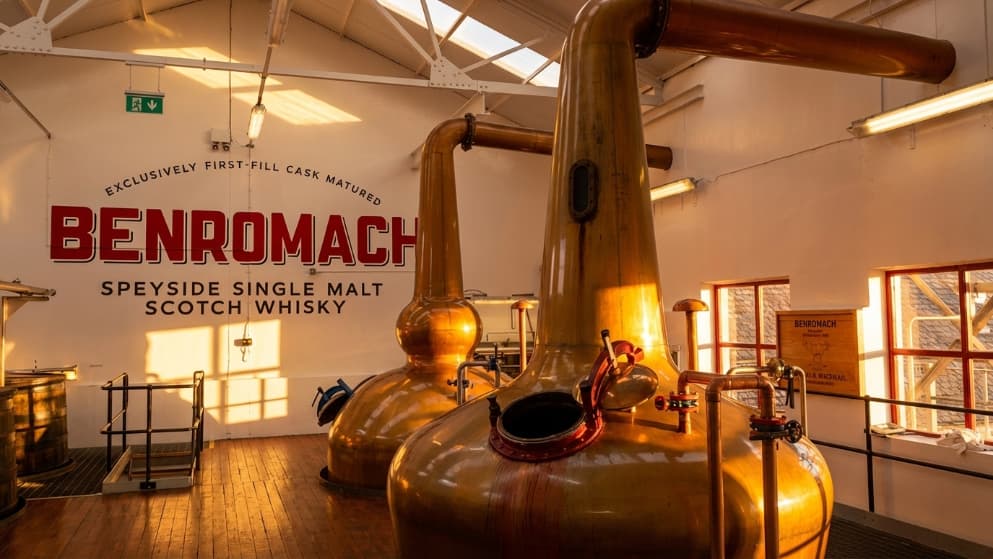
- Benromach (Forres): While others flock to the massive estates, we love Benromach. It is small, family-owned, and incredibly traditional. Everything is still done by hand, by sight, and by sound. It produces a slightly peated style that was common in Speyside 100 years ago but is rare today.
- The Speyside Cooperage: You cannot appreciate whisky without respecting the wood. Watching the coopers at work is a visceral experience—the smell of toasted oak and the rhythmic hammering of iron hoops. It provides the “missing link” in your whisky education.
- Ballindalloch Distillery: Located on the grounds of the historic Ballindalloch Castle, this is a “single estate” distillery. They use barley grown on their own farm and draff fed to their own cattle. It is elegant, private, and feels like stepping into a private club.
4. Why Private Tours are the Connoisseur’s Choice
In 2026, the most sought-after whisky experiences (like hand-filling your own bottle or private warehouse tastings) are often restricted to very small groups.
- Custom Palate Mapping: A coach tour takes you where the bus fits. A private guide asks: “Do you like peat, or do you like sherry?” We then build a route that connects you with the flavour profiles you actually enjoy.
- The Driver Problem: Scotland’s drink-driving laws are among the strictest in the world. To fully participate in a high-end tasting—where you might sample six different 20-year-old malts—having a professional driver is not just a luxury; it’s a necessity.
- The “Secret” Samples: Distilleries often have “under the counter” bottles for guides they know and trust. Being on a private tour often leads to an unexpected taste of something special that isn’t on the official menu.
Experience-Based Insight: The “Silent Season”
One thing many travellers miss is the “Silent Season.” Every year, usually in July or August, distilleries shut down production for essential maintenance. While visitor centres remain open, the stills won’t be bubbling. If you want to see the “action,” we recommend visiting in the Spring (April-June) or Autumn (September-October). The air is crisp, the water is flowing, and the distilleries are in full voice.
Frequently Asked Questions
What is the closest distillery to Inverness? Uile-bheist is located right in the city centre on Ness Bank. If you are looking for a traditional Highland distillery just outside the city, The Singleton of Glen Ord and Tomatin are both roughly 20 minutes away by car.
Can I buy “Distillery Exclusive” bottles at every stop? Most distilleries in 2026 offer bottles that you cannot find in shops or airports. Some even allow you to “hand-fill” a bottle directly from a cask in the warehouse, which includes a hand-written label with the cask number and date.
Is Speyside or the Highlands better for a one-day tour? It depends on your taste! If you like variety and famous names (Macallan, Glenfiddich), Speyside is the winner. If you prefer coastal scenery, older heritage sites, and robust malts, a tour heading North into the Highlands is often more rewarding.
How far in advance should I book a whisky tour? For 2026, we recommend booking at least 3 to 6 months in advance, especially if you want to visit “bucket list” locations like Macallan or Brora. Private warehouse tastings are often limited to one or two sessions per day.
Do distilleries serve food? Many of the larger distilleries now have excellent bistros (like The Macallan or Glenfiddich). However, for a more authentic experience, we often take our guests to local Highland pubs where the food is hearty and the whisky list is even longer than the distillery’s.
Your Bespoke Whisky Adventure Awaits
At Highlander Private Tours, we don’t just drive you to distilleries; we help you discover your new favourite dram. Whether you want to explore the “reawakened” stills of the North or the hidden farm distilleries of Speyside, we handle the bookings, the transport, and the local lore.